
In the Media
For all press inquiries, please contact: media@legalaiddc.org
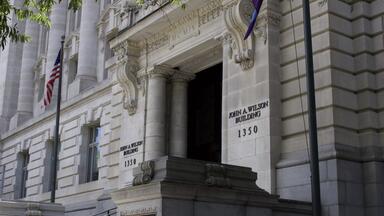
Mayor’s proposed housing affordability bill faces scrutiny at D.C. Council hearing
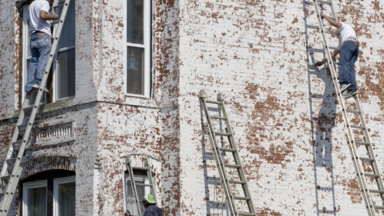
D.C. Landlords Push the Council to Allow Speedier Evictions
Thursday’s council hearing featured a clash over how to balance renter protections with what landlords describe as an economic “death spiral.”
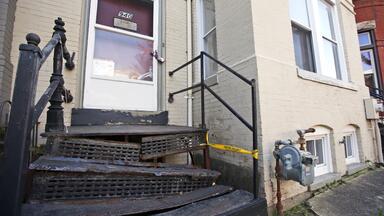
DC's Worst Landlord Is Its Housing Authority
The District’s housing authority owes the Department of Buildings more than $2.2 million for over 2,500 unresolved violations across its properties.
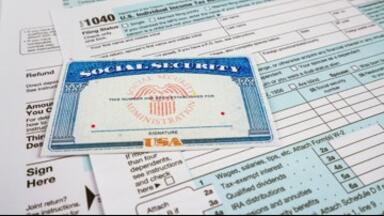
Social Security disability benefits delayed? DC woman says she waited months for payments
After her disability payments stopped, Mary Gates says she couldn't get answers from the Social Security Administration. Her experience highlights the challenges beneficiaries face in resolving problems with their benefits.
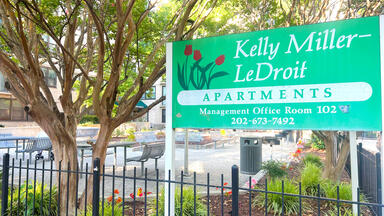
A new DCHA plan could limit housing choices and increase rent for families, critics say
Sarah Plavcan, a senior staff attorney at Legal Aid DC, broke down the new policy that could create burdens for HCV and public housing households.
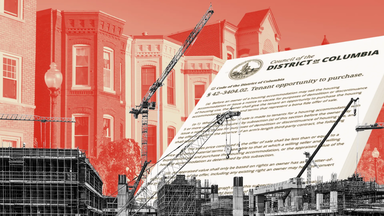
The RENTAL Act is full of tenant rights rollbacks. This one was supposed to be removed.
Tenant organizers fought to exempt renovated buildings from the sweeping housing law, but advocates say that isn’t working in practice.

New Medicaid work requirements will affect thousands of D.C. area residents next year
The Trump administration released new rules in June outlining new requirements for Medicaid eligibility, which will affect millions of low-income and disabled Americans starting next year.
Opinion: Why the D.C. Council should pass child support reform
The D.C. Council is considering the Child Support Improvement Amendment Act of 2026, which would reform the child support system for low-income families.

Legal Aid DC opens new location in Anacostia to increase access to services
Legal Aid DC opened a new office in Anacostia, aiming to make its free legal services more visible and accessible for DC residents east of the river.
Tweets