

DC’s 2027 Budget: Back from the Brink

The DC Council staved off some of the most devastating proposed cuts to the District's social safety net in the 2027 fiscal year budget. Here's where things landed after the final vote.
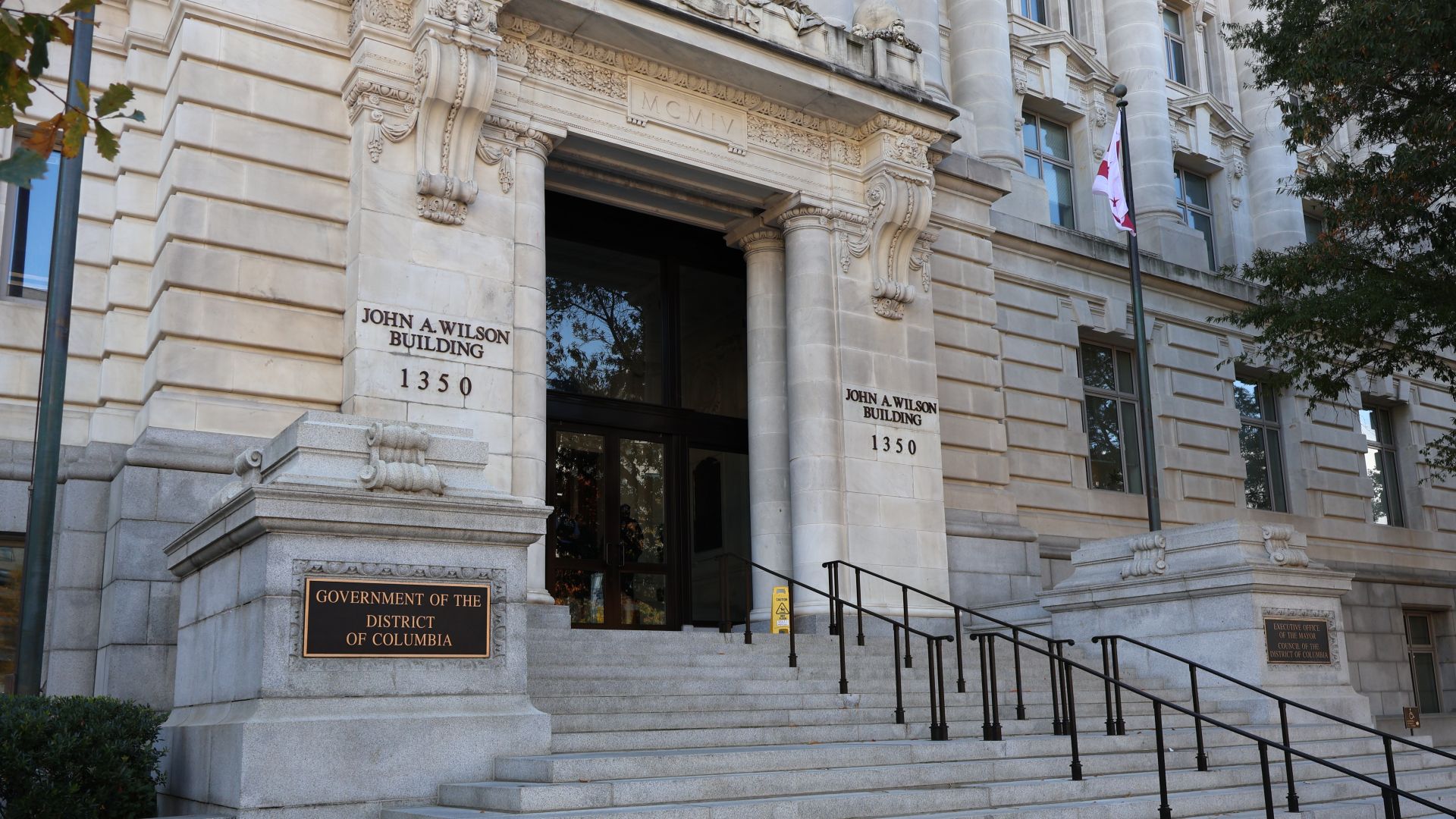
Over the past few months, the DC Council has walked the Fiscal Year 2027 budget for DC back from the brink, restoring significant funding to many of the social safety net programs that Mayor Bowser proposed cutting drastically. Because of Legal Aid’s advocacy, in coalition with other organizations operating in the District, DC’s residents have retained access to housing and cash assistance, health care, and legal and victim services. Additional wins in this budget season include the passage of legislative reforms to DC’s child support system, a new Medicaid buy-in program for workers with disabilities, and enhanced consumer protections. Here’s how the final budget affects some key programs for District residents:
Public Benefits
The Council’s budget delayed until next year two of the most harmful changes Mayor Bowser proposed to the Temporary Assistance for Needy Families (TANF) program: harsh, increased sanctions for adults who do not meet strict work requirements and a 60-month time limit on those who receive TANF benefits.
TANF is DC’s only cash assistance program for low- or no-income families, and these changes would have devastated thousands, making it harder than ever for them to afford rent, utilities, diapers, clothes, food, and more. As a member of the TANF is Still a Lifeline Coalition, we are grateful that these harms have been temporarily allayed. The Council also expanded access to TANF to people in their second or third trimester of pregnancy, allowing more people to benefit earlier.
Health Coverage
Regarding health care access, the Council restored DC Health Care Alliance services at pre-October 2025 levels (including specialty care services) and funded dental and vision benefits for people with Alliance and Healthy DC plans. The Council also delayed an Alliance eligibility age limit by one year, and restored affordable insurance for low-income, lawfully present immigrants in DC who lost eligibility due to federal changes. As a member of the Keep DC Healthy Coalition, Legal Aid applauds the progress the Council made on preserving life-saving access to health care under tight budget constraints.
The Council also passed and partially funded the Judith Heumann Memorial Workers with Disabilities Act of 2025, which Legal Aid supported. The bill establishes a program that allows certain workers with disabilities to enroll in Medicaid, opening access to affordable health care. Partial funding will allow for updates to computer systems, staff hiring, and building infrastructure for the future program. Legal Aid looks forward to ensuring the Council fully funds the bill to expand meaningful access to Medicaid.
Housing
The Council funded more than 600 housing vouchers of varying types for families: 26 new Local Rent Supplement Program (LRSP) vouchers, reserved for families exiting Rapid Rehousing; 45 new Permanent Supportive Housing (PSH) vouchers; 100 new Targeted Affordable Housing (TAH) vouchers; and 45 new Flexible Rent Subsidies (DC Flex).
Importantly, the Council also funded 469 “turnover” vouchers, or existing vouchers that can be “turned over” to a new individual or family in need of housing assistance. These are laudable improvements over Mayor Bowser’s initial budget, which had no funding for new vouchers and inadequate funding for existing vouchers. Nonetheless, the need for housing stability for both families and individuals in the District is great—more than 82,000 people are housing insecure, and prior to the FY2027 budget, DC was slated to lose more than 1,776 vouchers over a two-year period.
Unfortunately, the Council approved Mayor Bowser’s allocation of just $7 million for the Emergency Rental Assistance Program (ERAP), a substantial cut in the face of past funding levels, increasing evictions, and growing demand for emergency housing assistance.
The Council, however, chose to include ERAP and funding for expiring federal emergency housing vouchers in a contingency list: a list of items to be funded if DC brings in more revenue than expected during certain parts of the year. In that case, an additional $3 million could be made available for ERAP and $9 million for federal emergency housing vouchers in October 2026, but the likelihood of that is deeply uncertain.
The Council also committed to dedicating 15% of the funding allocated to the Housing Production Trust Fund for housing preservation, which will support efforts to prevent the loss of existing affordable housing for DC residents.
Access to Justice and Victim Services
We are grateful to the Council for fully restoring Access to Justice funding. This is a stunning achievement considering Mayor Bowser proposed cutting Access to Justice funding by 86%, from $31.7 million down to just $4.48 million. The Council also fully restored Victim Services funding, which the mayor proposed cutting by about $5.5 million. These funding restorations will have a multiplier effect, ensuring that District residents can access the safety net programs to which they are legally entitled and receive necessary services and support for victims of crime of all kinds. People will be able to avoid eviction, secure food and cash assistance, obtain protective orders, gain lawful immigration status, defend their consumer rights, and more thanks to the restoration of this funding.
Consumer Protections
The Council fully funded two critical consumer protection bills that Legal Aid supported: the Enhancing Consumer Protection Procedures Amendment Act of 2025 and the Medical Debt Mitigation Amendment Act of 2026. The Enhancing Consumer Protection Procedures Amendment Act creates stronger enforcement authority and new tools for DC government agencies to better protect consumers from predatory business practices. The Medical Debt Mitigation Amendment Act requires medical facilities to offer affordable payment plans to low-income patients for medical bills, prevents medical debt from being reported to credit agencies, prohibits garnishing wages or putting liens on homes for medical debt, and limits collections on medical debt in certain cases. Fully funding these bills means that District residents can start benefiting from new consumer protections in the near future.
Family Law and Domestic Violence
Essential reforms to DC’s child support system were also fully funded by the Council, in the form of the Child Support Improvement Amendment Act of 2026. Prior to this bill, the DC government took child support money away from parents who receive TANF cash benefits, using that money to fund the collection of child support debt. That meant low- or no-income parents routinely received only a small portion of the child support payment meant for their children, or sometimes no money at all. The Child Support Improvement Amendment Act, which Legal Aid supported, authorizes more child support money to reach DC families on TANF starting in July of 2027.
More Work Remains
The work of bettering the social safety net for District residents is far from over. Although the Council brought the FY2027 budget back from the brink, many DC residents will be deprived of parts of a shrinking social safety net. Importantly, the Council did not restore the annual cost of living adjustment for people receiving TANF and did not meaningfully increase funding for ERAP. Both TANF and ERAP serve as lifelines for families struggling to make ends meet as inflation increases. Further, the maintenance of lowered income eligibility for both the DC Alliance and Medicaid means thousands of District residents have lost access to health care in recent years. Additionally, many of the funds used to resuscitate the FY2027 budget were one-time funds only, meaning next year’s budget will face an even steeper cliff than this year.
Even with these considerable challenges, Legal Aid celebrates the achievements won in the FY2027 budget and looks forward to continuing its work with the DC Council to build a DC that is safe, livable, and just for our client community.
Latest News
In Its First Year, the DC Resource Bridge Connected Thousands of DC Residents to Free Legal Help

Legal Aid welcomes six attorneys in 2026 cohort class
The attorneys will bolster Legal Aid’s systemic, public benefits, housing, and consumer law work.
